Medicare Under 65 in Illinois: How to Qualify Before You Turn 65
Table of Contents
Most people associate Medicare with turning 65, but roughly 9 million Americans receive Medicare benefits well before that birthday. If you're a Illinois resident with a qualifying disability, End-Stage Renal Disease (ESRD), or Amyotrophic Lateral Sclerosis (ALS), you can get Medicare coverage years or even decades earlier than the standard eligibility age.
The rules for under-65 Medicare are different from what most people expect, and Illinois has its own laws governing supplemental coverage access for younger beneficiaries. Here's how each pathway works and what Illinois residents specifically need to know.
The Three Pathways to Medicare Before 65
Federal law provides three distinct routes to Medicare eligibility for people under 65, including Illinois residents:
- Social Security Disability Insurance (SSDI) - After 24 months of receiving SSDI benefits
- End-Stage Renal Disease (ESRD) - Permanent kidney failure requiring dialysis or a transplant
- Amyotrophic Lateral Sclerosis (ALS/Lou Gehrig's Disease) - Immediate eligibility upon SSDI approval
Each pathway has its own timeline, enrollment process, and coverage rules. The differences matter, especially when it comes to how quickly coverage begins and what supplemental options are available in Illinois.
SSDI and the 24-Month Waiting Period
The most common route to under-65 Medicare is through Social Security Disability Insurance. For Illinois residents, the federal timeline works the same as every other state:
- You become disabled and apply for SSDI through the Social Security Administration
- SSA approves your claim (this alone can take months or years)
- A 5-month waiting period begins before your first SSDI check arrives
- After receiving SSDI for 24 consecutive months, Medicare coverage starts automatically
That 24-month clock starts from your first SSDI payment, not from when you became disabled or when you applied. So the total gap between disability onset and Medicare coverage is often 29 months at minimum, and frequently longer given how long SSDI applications take to process.
What Counts Toward the 24 Months
The months must be consecutive SSDI benefit months. If your benefits are suspended (for example, because you returned to work during a Trial Work Period and exceeded substantial gainful activity limits), the clock can reset. Railroad Retirement Disability benefits also count toward the 24-month requirement under similar rules.
Auto-Enrollment: How It Actually Works
Once you hit the 24-month mark, Medicare enrollment is automatic. You don't need to apply separately. Social Security will mail your Medicare card to your Illinois address approximately three months before your coverage start date. You'll be enrolled in both Part A (hospital insurance) and Part B (medical insurance).
Part B comes with a monthly premium ($185/month in 2025 for most people). If you don't want Part B, perhaps because you have employer coverage through a spouse working in Illinois, you need to actively opt out. Otherwise, premiums are deducted from your SSDI check automatically.
ESRD: Medicare Without the Long Wait
End-Stage Renal Disease creates its own Medicare eligibility pathway regardless of age or disability status. Illinois residents qualify if they have permanent kidney failure and need either:
- Regular dialysis treatments, or
- A kidney transplant
Unlike SSDI, ESRD eligibility doesn't require a 24-month waiting period in most cases. However, the enrollment process isn't automatic. You or your doctor must file an application (CMS-2728 form) with Social Security.
ESRD Coverage Start Dates
When your Medicare coverage begins depends on your specific situation:
- Home dialysis: Coverage can begin as early as the first month of dialysis if you complete a training course
- In-center dialysis: Coverage typically begins the fourth month after dialysis starts
- Kidney transplant: Coverage can begin the month you're admitted for the transplant, or up to two months before if you need pre-transplant care
One important distinction: ESRD Medicare coverage can end if your kidney function recovers (rare but possible) or 36 months after a successful transplant. This differs from disability-based Medicare, which continues as long as you remain disabled.
ALS: Immediate Medicare Coverage
ALS (Lou Gehrig's Disease) is the one condition where Congress eliminated the 24-month waiting period entirely. If you're a Illinois resident diagnosed with ALS and approved for SSDI, Medicare begins the same month your SSDI benefits start. The standard 5-month SSDI waiting period still applies, but the 24-month Medicare waiting period is waived.
This exception was enacted in 2000 after advocacy from ALS patients and their families who argued that the progressive nature of the disease made a two-year wait for coverage unconscionable. Given that median survival after diagnosis is 2-5 years, the policy change was critical.
What Medicare Covers for Under-65 Beneficiaries in Illinois
Your Medicare benefits are identical to those of someone over 65. You get the same Part A hospital coverage, Part B outpatient coverage, and access to Part C (Medicare Advantage) and Part D (prescription drugs). There's no reduced benefit package for younger enrollees in Illinois or any other state.
That said, under-65 beneficiaries often have different healthcare needs than the typical 65+ Medicare population. You may need coverage for:
- Ongoing rehabilitation or physical therapy
- Mental health services related to your condition
- Specialized medications not common in the 65+ population
- Durable medical equipment (wheelchairs, home modifications)
All of these are covered under standard Original Medicare rules, but cost-sharing (20% coinsurance on Part B services, no out-of-pocket maximum) makes supplemental coverage important for younger beneficiaries who may use more services.
Medigap for Under-65 Beneficiaries: Illinois Rules
This is where things get complicated for younger Medicare enrollees. Medigap (Medicare Supplement) plans fill the gaps in Original Medicare coverage, but federal law only guarantees access to Medigap during the Medigap Open Enrollment Period, which starts when you're both 65 and enrolled in Part B.
If you're under 65, federal law does not require insurers to sell you a Medigap policy. Whether you can buy one depends on Illinois's state laws, and these rules vary enormously from state to state.
How State Laws Affect Your Access
Across the country, about 30 states have laws requiring Medigap insurers to offer at least some plans to under-65 Medicare beneficiaries. The specifics vary widely:
- Full access states (e.g., Connecticut, Maine, Massachusetts, New York) require insurers to sell all Medigap plans to under-65 beneficiaries at community-rated prices, sometimes with a modest surcharge
- Limited access states require insurers to offer at least one or two plan options, but may allow higher premiums or restrict which plans are available
- No mandate states leave it entirely to insurer discretion, and many simply refuse to write policies for under-65 applicants
Check with Illinois's Department of Insurance or a local Medicare agent to confirm what under-65 Medigap protections apply in your state.
Alternatives If Medigap Isn't Available
If Illinois's laws don't provide strong under-65 Medigap protections, your alternatives include:
- Medicare Advantage - Available to all Medicare beneficiaries regardless of age, with built-in out-of-pocket maximums
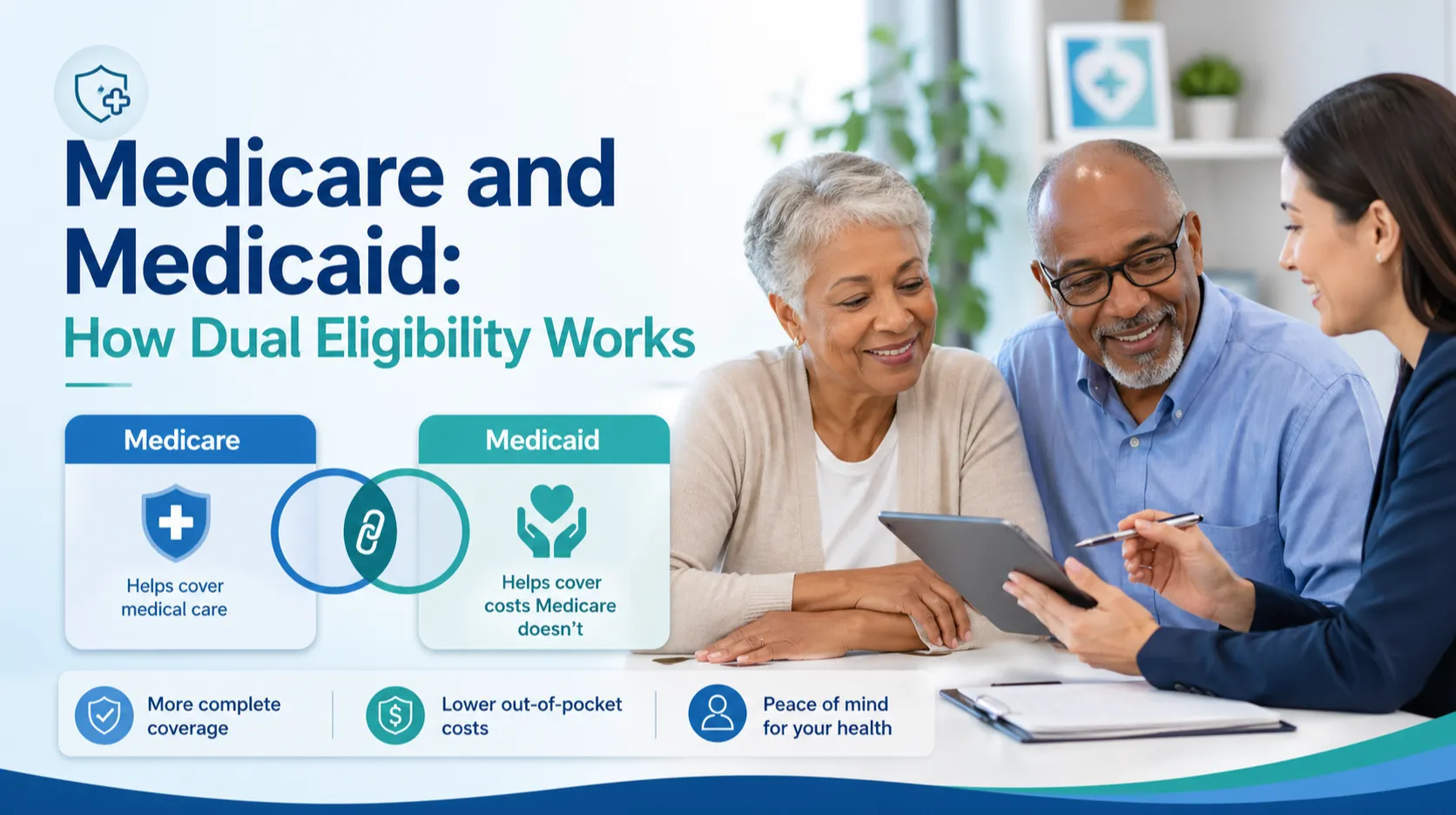
- Medicaid/Medicare Savings Programs - If your income and assets qualify, dual eligibility can eliminate most cost-sharing
- Employer coverage - If a spouse has employer insurance in Illinois, you may be able to stay on that plan alongside Medicare
Premiums for under-65 Medigap policies, even in states that mandate access, are typically 2-3 times higher than what a 65-year-old pays for the same plan. Those premiums drop significantly once you turn 65 and enter standard rating.
The Transition at Age 65
When an under-65 Medicare beneficiary in Illinois turns 65, several things change:
- Your Medicare basis shifts from disability to age. Coverage continues seamlessly with no gap.
- Medigap Open Enrollment begins. You get a full 6-month guaranteed-issue window to buy any Medigap plan sold in Illinois, regardless of health status. This is your best opportunity to get affordable supplemental coverage.
- ESRD coverage continues. If you qualified through ESRD, your coverage doesn't end at 65. You transition to age-based eligibility.
- Premiums may drop. If you were paying elevated under-65 Medigap rates in Illinois, they should fall to standard age-based pricing.
The age-65 Medigap Open Enrollment Period is critical for anyone who's been on disability Medicare. It's often the first time Illinois residents can access Medigap at standard rates without medical underwriting. Don't miss this window.
Common Mistakes Under-65 Beneficiaries Make
Declining Part B Without Thinking It Through
Some people opt out of Part B to save on premiums, planning to enroll later. If you don't have creditable employer coverage, this can trigger a lifetime late enrollment penalty of 10% for every 12-month period you were eligible but not enrolled. That penalty never goes away.
Assuming Medigap Is Available After Moving
Younger beneficiaries who move to Illinois from another state (or leave Illinois for elsewhere) sometimes discover their new state has different under-65 Medigap rules. Research before relocating, because losing your Medigap plan with no replacement option creates a serious coverage gap.
Not Understanding the ESRD Coordination Period
If you have both employer group insurance and Medicare due to ESRD, there's a 30-month coordination period where your employer plan pays first and Medicare is secondary. After 30 months, Medicare becomes the primary payer. Failing to understand this transition can lead to billing confusion and unexpected costs.
Missing the Trial Work Period Rules
SSDI recipients in Illinois who attempt to return to work get a Trial Work Period (9 months within a 60-month window). During this period, you keep your SSDI and Medicare regardless of earnings. After that, there's an extended period of eligibility where benefits can be reinstated quickly if you can't continue working. Understanding these rules prevents you from losing coverage unnecessarily.
Getting Help With Under-65 Medicare in Illinois
Under-65 Medicare is genuinely more complex than standard enrollment. The state-by-state Medigap rules alone make professional guidance valuable, and many agents who work primarily with the 65+ market may not be deeply familiar with disability-based eligibility.
When choosing a Illinois Medicare agent or broker, ask specifically about their experience with under-65 beneficiaries. A knowledgeable agent can help you understand your Medigap eligibility in Illinois, avoid costly mistakes during the enrollment process, and plan for the transition to age-based Medicare when that time comes.

Andrew Choi
Licensed Illinois Medicare Agent
Contact Andrew through Medicare Agents Hub »
Hi, I'm Andrew! Thank you to my valuable clients with your trust and referrals for over 24 years across the country. My clients are a priority to serve daily and maintain long-term relationships with. No matter where you live in the United States, my office can help many important products you may need. For assistance, please contact me today. What's more, my services are entirely free! Reach out to me today to explore your Medicare insurance options and be sure to mention that you discovered me on Medicare Agents Hub!